Support

Beyond Giving: How to Empower the Poor and Break the Cycle of Poverty

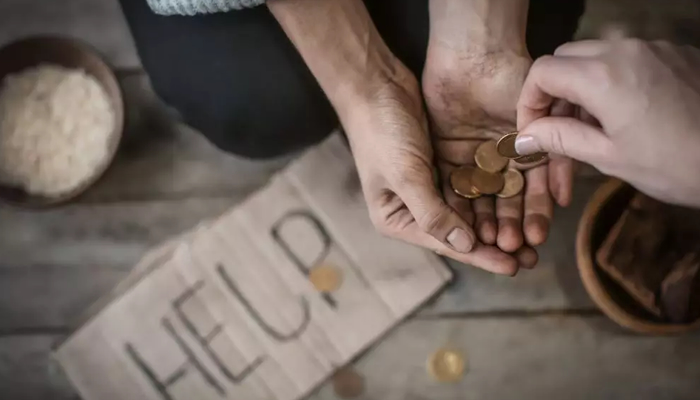
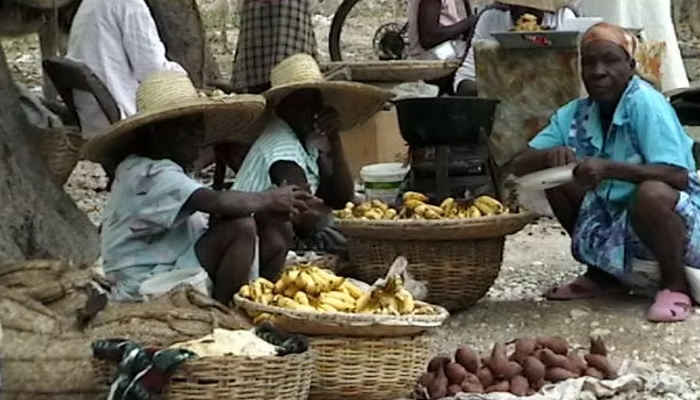
The definition of poverty and the cycle of poverty Poverty is the state of having no money or few material possessions due to the lack of adequate sources of income.  In refugee camps, where most of the refugees experience hard living conditions and are below the poverty line, it is characterized by the lack of access to basic needs.  Such as food, shelter, clothing, education, and healthcare services.  The cycle of poverty is often passed on from one generation to another due to the lack of opportunities, resources, and education.  In particular, people who are suffering from the harsh consequences of poverty lack the financial resources and educational opportunities whereby they can break the cycle of poverty. Shifting from charity to empowerment Empowering the refugees to escape from the shackles of poverty can be done in multiple ways. This includes applying the following measures: Recognizing the strengths and capabilities of the poor International organizations can empower poor refugees by recognizing their strengths and capabilities. Thus, this can be done in ways such as: Education and skills development Education can help refugees break the cycle of poverty as it empowers them with the necessary skills and knowledge they need to secure employment. In addition, education can equip the refugees with the tools to better understand their rights and recognize their points of strength.  Education as a powerful tool for empowerment Education can empower refugees with the necessary knowledge they need, such as computer literacy, engineering, business management, problem-solving, and excellent communication skills. These kinds of skills can certainly lift refugees out of poverty. Access to quality education for the poor There are multiple ways to improve refugees’ access to quality education opportunities; these include increasing funding for refugee education programs and improving their access to educational materials and resources.  Additionally, advocating for refugees’ rights to access quality education is integral to improving their status.  Vocational training and skill development programs Enhancing refugees’ access to vocational training and skill development programs is undoubtedly key to empowering them and helping them secure a stable source of income.  This can be done in multiple ways, including: Creating sustainable livelihoods for the poor Civil society community can help secure sustainable livelihoods for the poor refugees by the following means: Microfinance as a pathway out of poverty Microfinance can serve as a pathway out of poverty for refugees by providing them with the necessary financial resources to enable them to be financially independent.  Microfinance programs can empower refugees with microfinance loans in order to help them launch their own businesses and generate income. Microfinance programs can provide refugees with basic needs, such as food and shelter, as well as purchase the additional assets needed to launch their businesses.  Microfinance initiatives can also help protect refugees against financial losses by providing them with access to the necessary financial services, such as insurance plans. Access to basic services Providing refugees with the necessary access to basic needs, such as education, healthcare, and job opportunities, can definitely lift them out of poverty. That is, the basic needs enable refugees to gain the necessary technical skills and knowledge to secure employment opportunities that can help them secure a financial source of income for themselves and their families. Ensuring access to clean water, healthcare, and sanitation Access to healthcare, clean water, and sanitation facilities is imperative to help break the cycle of poverty across refugee camps. That is, such facilities help protect the refugees against water-borne diseases, which can affect their health and their ability to work.  In addition, such facilities are essential as they reduce the risk of spreading infectious diseases, enabling them to be more productive at their work and spend more time in income-generating activities.  Source: Bonyan Organization

Beyond Giving: How to Empower the Poor and Break the Cycle of Poverty Read More »

How to Help Senior Citizens: 5 Ways to Lend Your Support

There are many ways seniors get involved in their communities each year, and the health benefits of volunteering as you age are well documented. Aging adults can face a number of challenges, from loneliness to failing health, which is why volunteering with senior citizens is a great way to help them engage with the community. When multiple generations come together in service, it helps bridge the age gap and everyone can come away having learned something. Why don’t we use the term elderly? Rather than looking at situations or people from a deficit lens that prioritizes what’s missing or what’s wrong, Points of Light prioritizes language that focuses on strength and potential, known as asset-based language. The term elderly can evoke negative connotations and contribute to bias and ageism. Therefore, we use the term seniors or older adults in our communications. 1. Visit an assisted living facility Spend some quality time with someone who might not get a lot of visitors by planning a visit (or even better, regular visits) to an assisted living facility. Not sure what to do? Bring along a board game, a care package, a movie or a home-baked treat. You can also consider this time an opportunity to listen and learn. Hearing from perspectives other than your own not only helps broaden your horizons and make you a more educated person but it also helps seniors who are sharing their knowledge to feel heard and valued. 2. Assist with housework or yard work It’s common for people not to realize that stopping by a senior neighbor’s house to see if they need support is a form of civic engagement. Simple things like helping with mowing the lawn, vacuuming or other household chores or projects can make a world of difference. If you notice that their home needs a specific repair, you could ask them if they’re wanting that task done soon and gently suggest calling a repair person. However, be mindful not to overstep, and respect the autonomy your neighbor has over their home. 3. Teach computer and internet skills Help seniors stay connected by teaching them how to email their friends and family, check the news and use social media. You might also take this time to give tips on how to avoid scams and viruses. Read about how Daily Point of Light honoree Esther Chan is helping spread awareness about internet scams in senior centers. 4. Help with errands and transportation Once seniors can no longer drive, it becomes more challenging for them to maintain social lives or feel independent. If you can provide a safe and reliable means of transportation, you take them to the grocery store, hair salon, doctor’s appointments or anywhere else your senior friend or loved one may need to go. 5. Participate in an intergenerational service project A great way to connect with seniors is to get civically involved together. There are many projects that people of all ages and abilities can do: sending care packages to military members, donating used clothes and books, participating in a community bake sale, gathering items for a back-to-school drive – the possibilities are endless! SOurce: Points of Light

How to Help Senior Citizens: 5 Ways to Lend Your Support Read More »

Six Benefits of Helping the Poor

I want to share with you a moment burned into my mind as a poignant testimony to generosity.  My daughter, Sarah and I, experienced this moment in the city of Cerro de Pasco, Peru, in 2002.  In the course of ministering to a small church in this town located at the top of the Andean mountains, we met street children who were collecting trash or anything of value they could find on the streets, in order to garner a handful of coins. ​Although home to one of the deepest silver mines in the world, Cerro de Pasco’s 70,000 inhabitants are mostly poor.   One would think that any money a child could scrape would be zealously guarded and used for food or clothing.  But these joyful children tithed from what they had in order to give to missionaries.  It was a demonstration of the poorest giving to the poor to honor and expand God’s work. Someday I hope to learn how God blessed them! MeditationPsalm 41:1-3—Happy is one who cares for the poor; the LORD will save him in a day of adversity.  The LORD will keep him and preserve him; he will be blessed in the land.  You will not give him over to the desire of his enemies. The LORD will sustain him on his sickbed; You will heal him on the bed where he lies. The passage above gives us six benefits for helping the poor.   Helping the poor brings happiness to the giver.  Proverbs 14:21 further supports this.  “The one who despises his neighbor sins, but whoever shows kindness to the poor will be happy.” Helping the poor brings God’s hand of rescue in a “day of adversity.” This is opposite of conventional thought which suggests that we should preserve everything we get so that when adversity comes we can buy our way out or at least have the means to survive.   Helping the poor results in God preserving the giver.  The Hebrew word shamarmeans to preserve, to keep, watch.   Shamar is also applied by God to those who are humble (Psa. 138:6,7) and obedient to His Word (Pro. 19:16).[1] Helping the poor brings blessing where the giver lives.  This blessing comes from the Hebrew word asharand brings the idea of advancement.[2]  To better understand this we can learn from Moses who taught the Israelites in Deuteronomy 15:10, “Give to him, and don’t have a stingy heart when you give, and because of this the LORD your God will bless you in all your work and in everything you do.” Helping the poor means protection for the giver against his enemies’ bad intentions.  Seven of the thirteen verses in this Psalm by David speak to betrayal or mal intent by his enemies. Yet he felt confident that by caring for the poor, God would protect him. ​Helping the poor brings healing from sickness.   We see this demonstrated in 2 Kings 4 where a wealthy Shunammite woman saw the prophet Elijah’s need and provided him a room.  Because of her generosity, God gave the barren woman a son and later when that son died from some kind of head affliction, God restored him back to life!  InspirationSuper-survivors recognize the healing and strengthening value of “paying forward,” or giving to others and to the community.—Steven M. Southwick & Dennis S. Charney in Resilience ©2016 Daniel York  ARR. Reveration is the weekly devotional ministry of First Cause.  If you would like to receive these devotionals go to www.firstcause.org and click on the “Click here to receive weekly devotionals” box.  Unlimited permission to copy this devotional without altering text or profiteering is allowed subject to inclusion of this copyright notice.       Ecclesiastes 12:10-The Teacher sought to find delightful sayings and to accurately write words of truth.  (Holman CSB). Source: First Cause

Six Benefits of Helping the Poor Read More »

The importance and benefits of giving back to your community

Volunteering your time to support a cause you are passionate about is something you will never regret. It will enrich your life, familiarize you with your community, and connect you to people and ideas that will positively impact your perspective for the rest of your life. Helping your community is an opportunity for you to grow as a person, to better understand how you fit into the world around you. Why is it so important to give back to your community? Why is it so important to find a cause you love and volunteer your time? Spending time enriching your community is a great way to broaden your perceptions of the world. By immersing yourself in a community and surrounding yourself with people who are dedicated to bettering the world, you can learn so much about how the world works. You gain a unique sense of purpose by serving those around you, one which often manifests in other areas of your life. Of course, it’s also important for your community! Without volunteers, many of the services and events we enjoy in our communities would not be so readily available. Spending time helping out at local shelters or food banks provides an important service to less fortunate neighbors. Giving back to the place you call home helps to unite the community and bridge some of the social, economic and political gaps. What are some of the benefits of volunteering? Donating your time to support those around you is extremely beneficial, both for you and your community. It is statistically proven that people who volunteer regularly are healthier both physically and mentally. Individuals who have volunteered throughout their lifetime typically live longer and have better psychological well-being. In addition to the health benefits, volunteering gives people a sense of purpose. The fulfilling feeling of giving back and contributing to society is unparalleled. Giving back is also a great way to get to know your community and its citizens. When you volunteer, you have the opportunity to meet lots of new people. Working alongside individuals who also care about improving their surroundings will allow you to broaden your network of friends. Additionally, it will help you to better understand the circumstances of other members of your community. Having a broad, open-minded perspective of the different walks of life around you will help you to be an effective and empathetic citizen. People skills are not the only skills you will gain through volunteering! Dedicating time to help others will teach you patience, kindness, and resilience. Not only will you improve your communication abilities by working alongside a diverse team of people, but you will also gain a plethora of other experiences that will help you as you navigate your future. Volunteering may even help you discover a new passion or interest. How can you get involved in your community? There are so many important causes out there that always need volunteers to support the work they’re doing. Whether you’re passionate about advocacy, animal rights, or helping the homeless, you can find a valuable way to donate your time. Many towns and cities have community centers, which can be a great place to find opportunities to give back to the place you call home. You can also check websites like VolunteerMatch or Idealist for volunteer opportunities that fit your interests and abilities. Even if you only donate a few hours of time each month, you will be making a huge difference in the lives of others. Source: EF

The importance and benefits of giving back to your community Read More »